
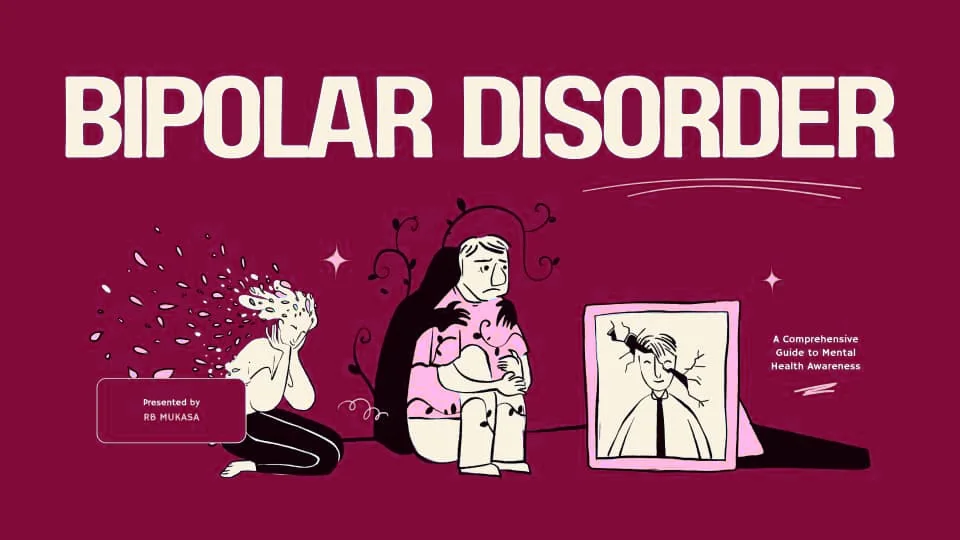
Bipolar Disorder
- A Comprehensive Guide to Mental Health Awareness
- Presented by
- RB MUKASA
 Bipolar Association of Uganda

Breaking the Stigma. Building Hope Together.
Welcome to the Bipolar Association of Uganda, BIPAU.
BIPAU is a Ugandan association dedicated to promoting awareness, education, dignity and responsible support concerning bipolar disorder.

Building Hope Together.
A Uganda where people living with bipolar disorder are understood, respected, supported and able to participate fully in family, community, educational and working life.
BIPAU is a community where people can learn, connect, support one another, and work together to break the stigma surrounding bipolar disorder.
We seek to bring together people living with bipolar disorder, families, caregivers, qualified professionals, supporters, institutions and responsible partners to create a more informed, understanding and supportive society.
Through education, community engagement, professional collaboration and lived-experience advocacy, we aim to challenge stigma and promote the understanding that people living with bipolar disorder can participate meaningfully in family, community, educational and working life.
BIPAU provides awareness, education, community engagement and responsible support activities. We do not replace psychiatrists, psychologists, counsellors, hospitals or emergency services.
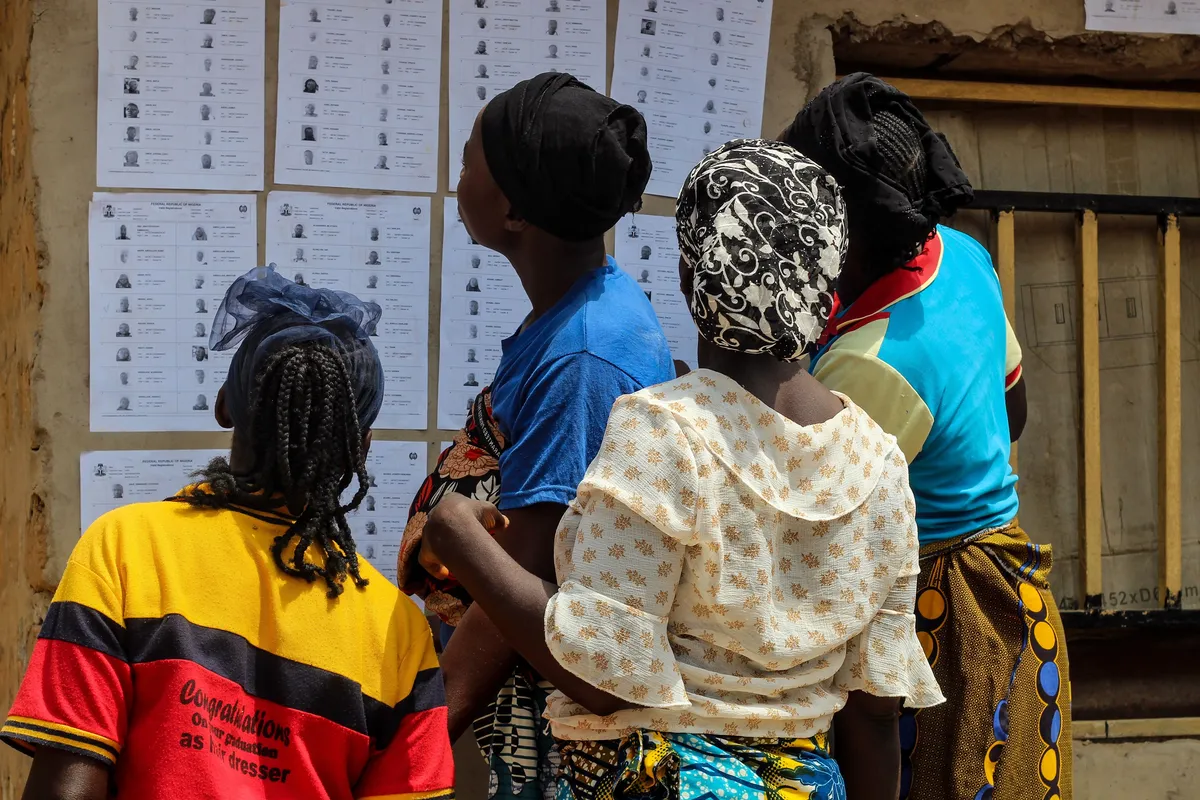
Community talks, awareness campaigns, public discussions and mental health education, with stigma-reduction activities and media and digital awareness.
Learn more
Information for families, responsible communication guidance, and help knowing when to seek professional help, with respect for confidentiality and personal boundaries.
Learn more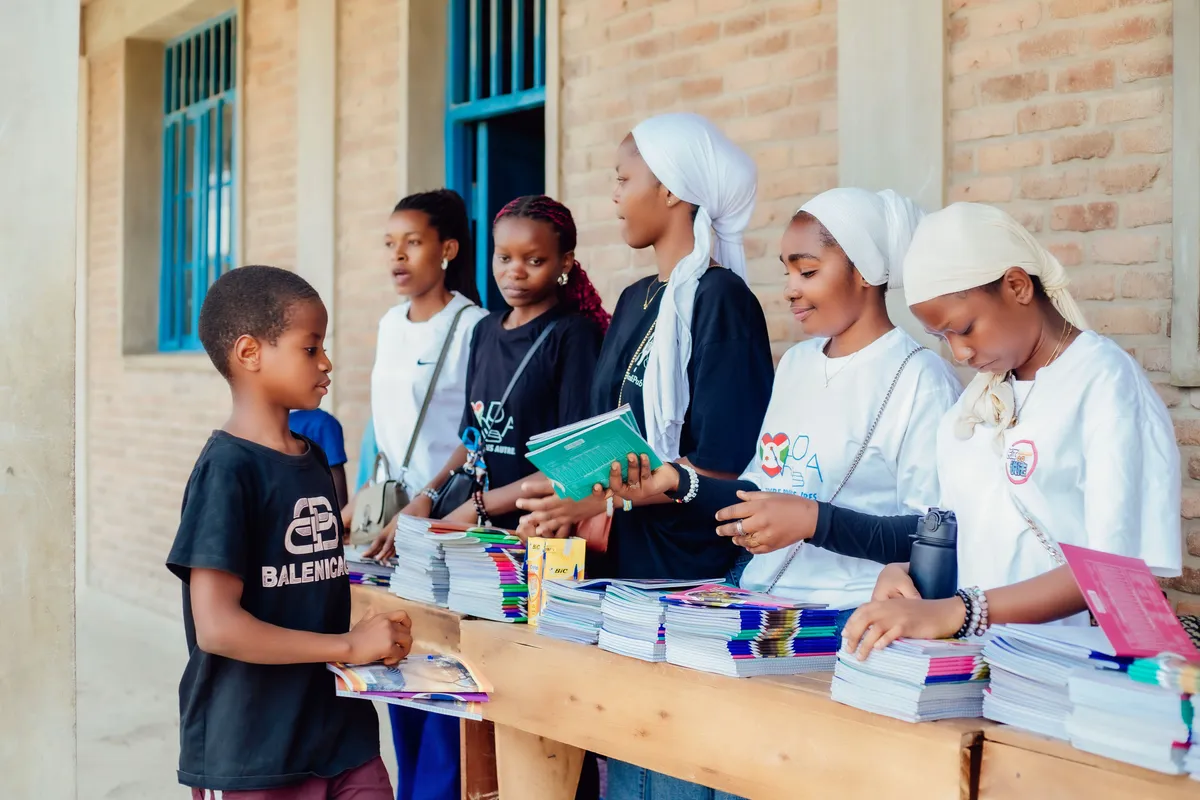
School and university talks, workplace awareness, community workshops, seminars and conferences, and educational brochures, posters and online content.
Learn more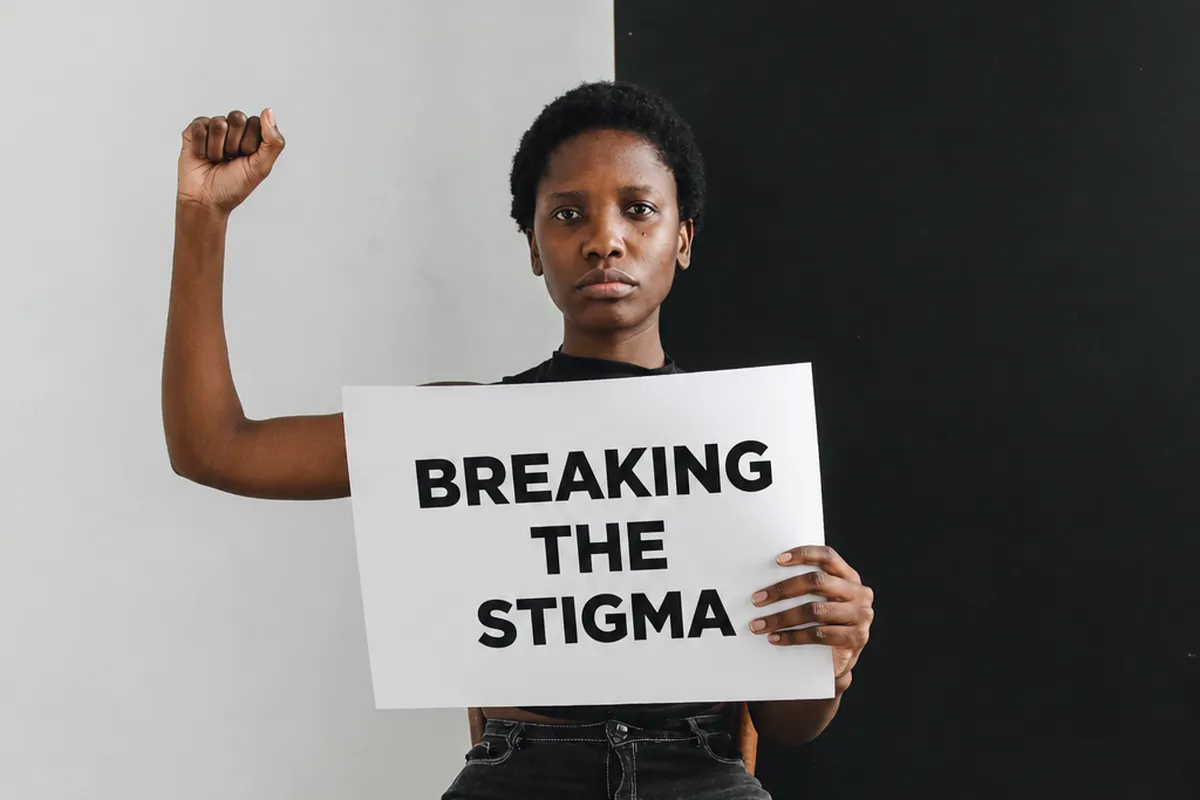
Responsible sharing of personal experiences and awareness talks by people with lived experience, encouraging dignity and inclusion and challenging harmful stereotypes.
Learn more
Talks by qualified mental health professionals, referral information and technical guidance, with partnerships across hospitals, clinics, counsellors, researchers and universities.
Learn more
BIPAU may develop structured peer-support activities where appropriate. They will be voluntary, confidential and guided by clear boundaries.
Learn more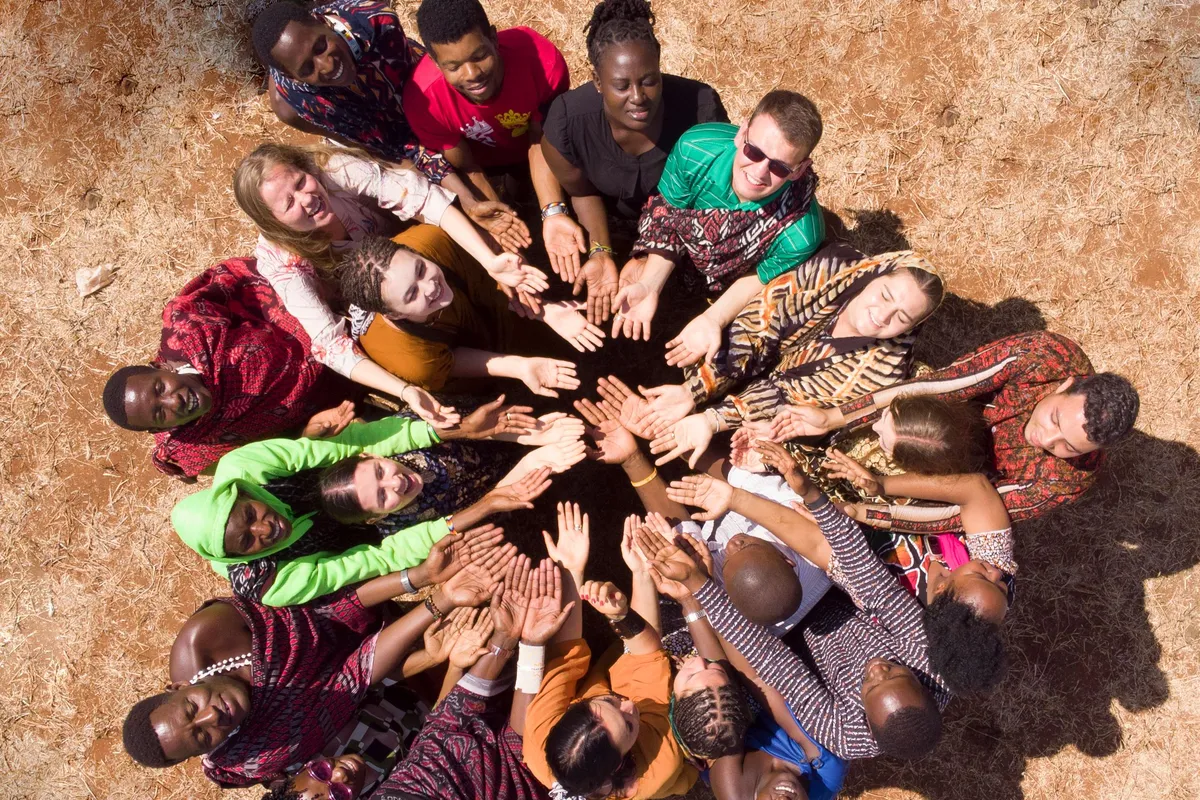
Working with civil society organisations, community leaders, schools and universities, workplaces, hospitals and clinics, responsible media, and donors and grant-making organisations.
Learn more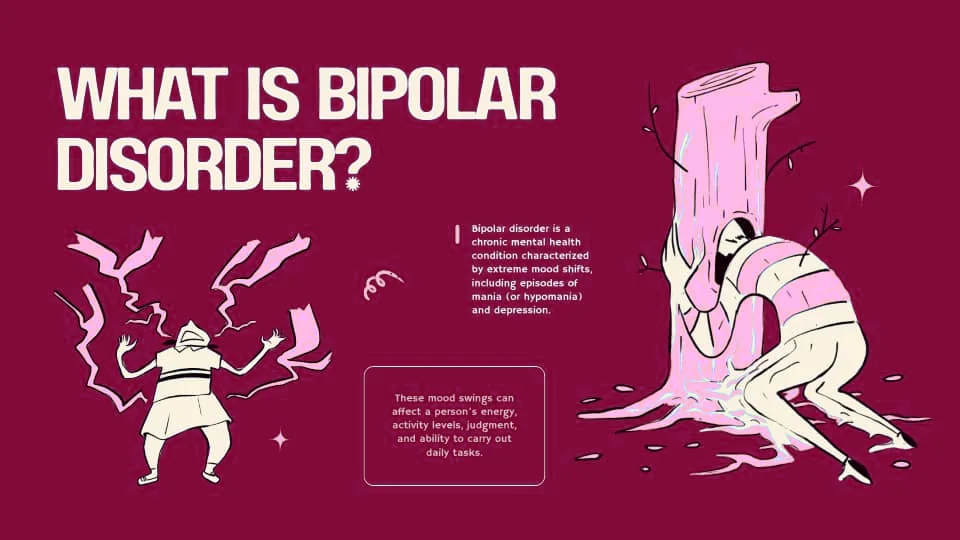
These mood swings can affect a person's energy, activity levels, judgment, and ability to carry out daily tasks.
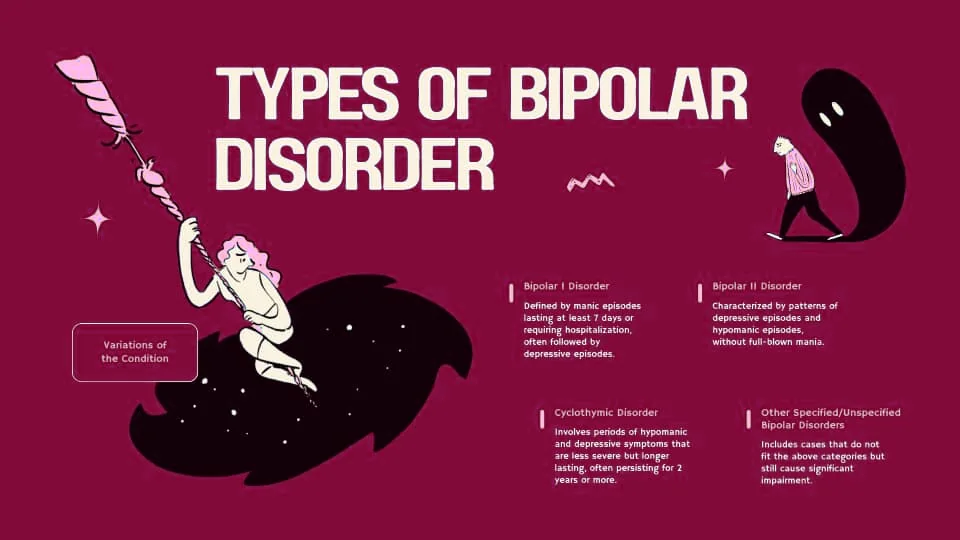
Variations of the Condition
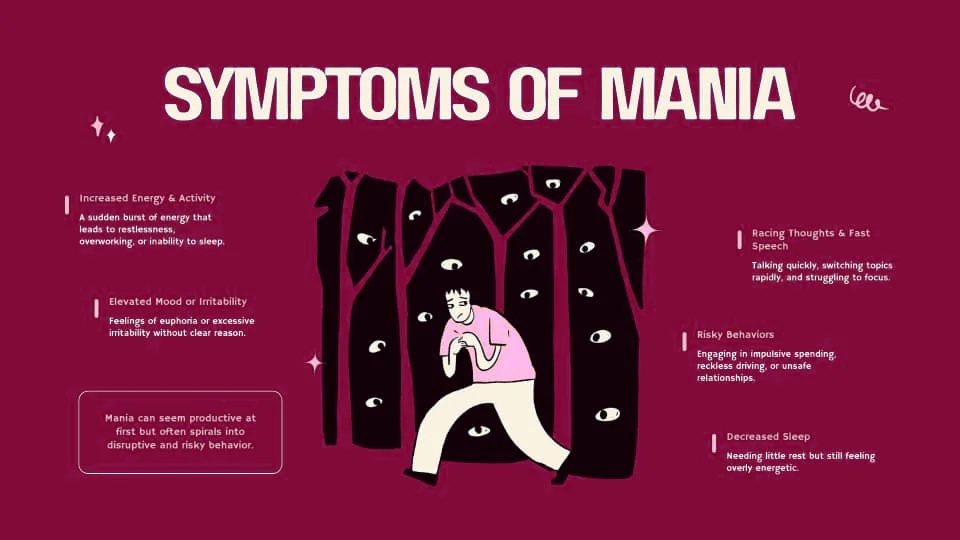
Mania can seem productive at first but often spirals into disruptive and risky behavior.
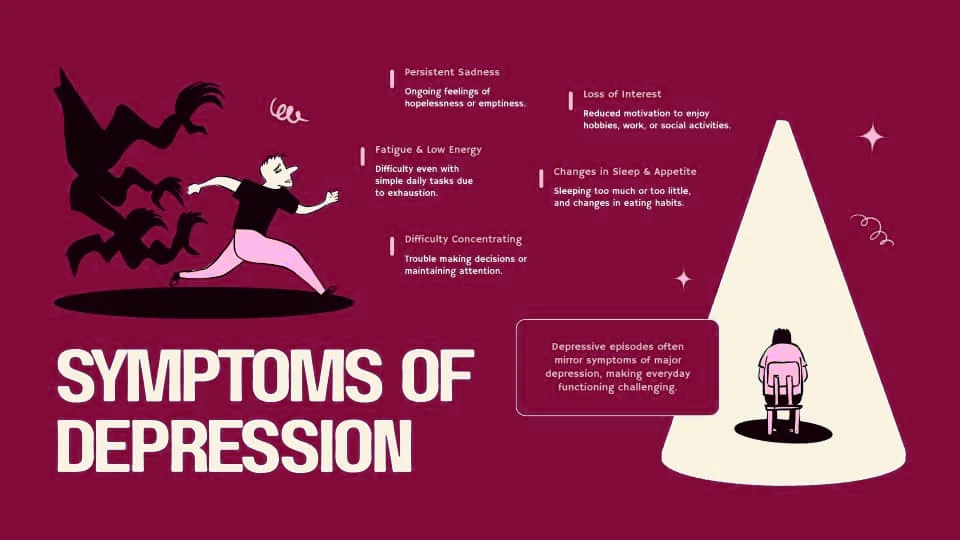
Depressive episodes often mirror symptoms of major depression, making everyday functioning challenging.
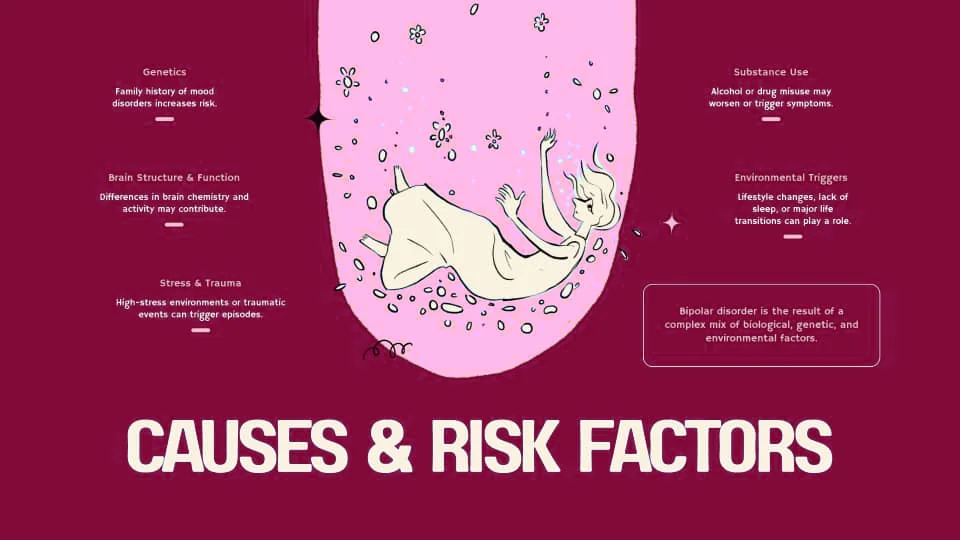
Bipolar disorder is the result of a complex mix of biological, genetic, and environmental factors.
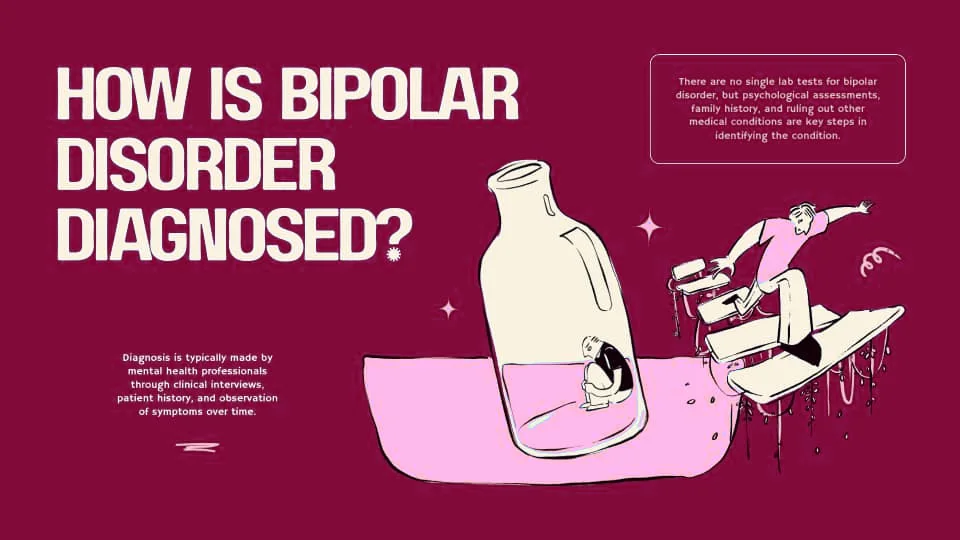
There are no single lab tests for bipolar disorder, but psychological assessments, family history, and ruling out other medical conditions are key steps in identifying the condition.
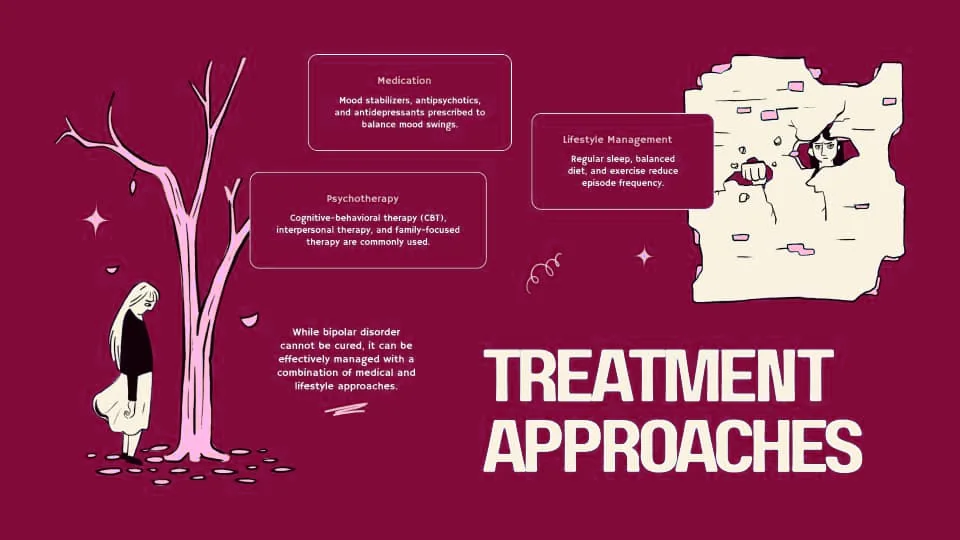
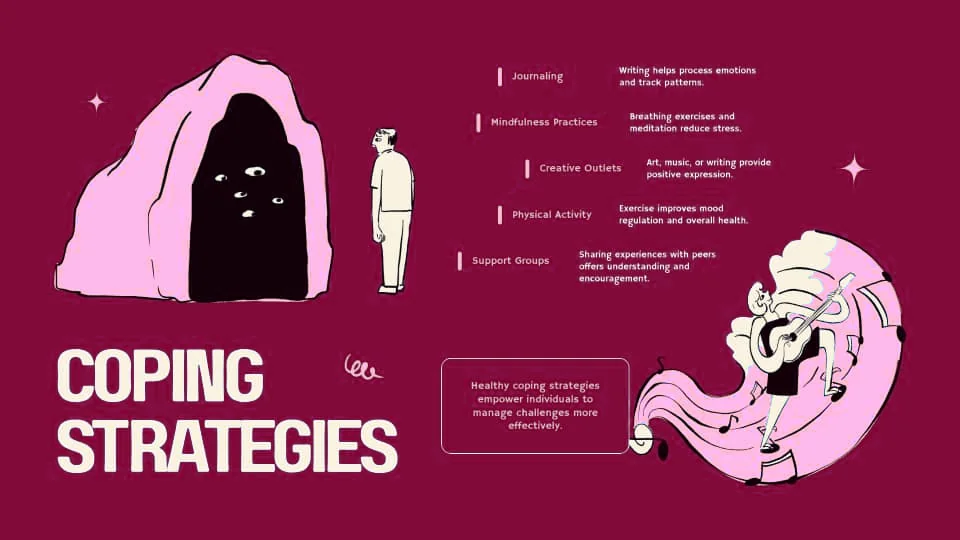
Healthy coping strategies empower individuals to manage challenges more effectively.
 Part-6: A conversation about the treatment of mental health illnesses in Uganda (watch on YouTube, opens in a new tab)21 November 2026
 Part-5: A conversation with a medic regarding the treatment of mental illnesses in Uganda (watch on YouTube, opens in a new tab)21 November 2026
 PART-4: A mental health conversation about where to seek help in case you suffer a break down (watch on YouTube, opens in a new tab)11 November 2026
 PART-3: A mental health conversation about where to find help in case of a breakdown in Uganda (watch on YouTube, opens in a new tab)11 November 2026
 Part-2: A conversation with a Mental health practitioner about where to find help (watch on YouTube, opens in a new tab)10 November 2026
 Part-1: A conversation with a Mental health practitioner about mental health treatment in Uganda (watch on YouTube, opens in a new tab)10 November 2026
You can support BIPAU by becoming a member, volunteering, sharing accurate information, supporting awareness activities, offering professional expertise or partnering with the association.